
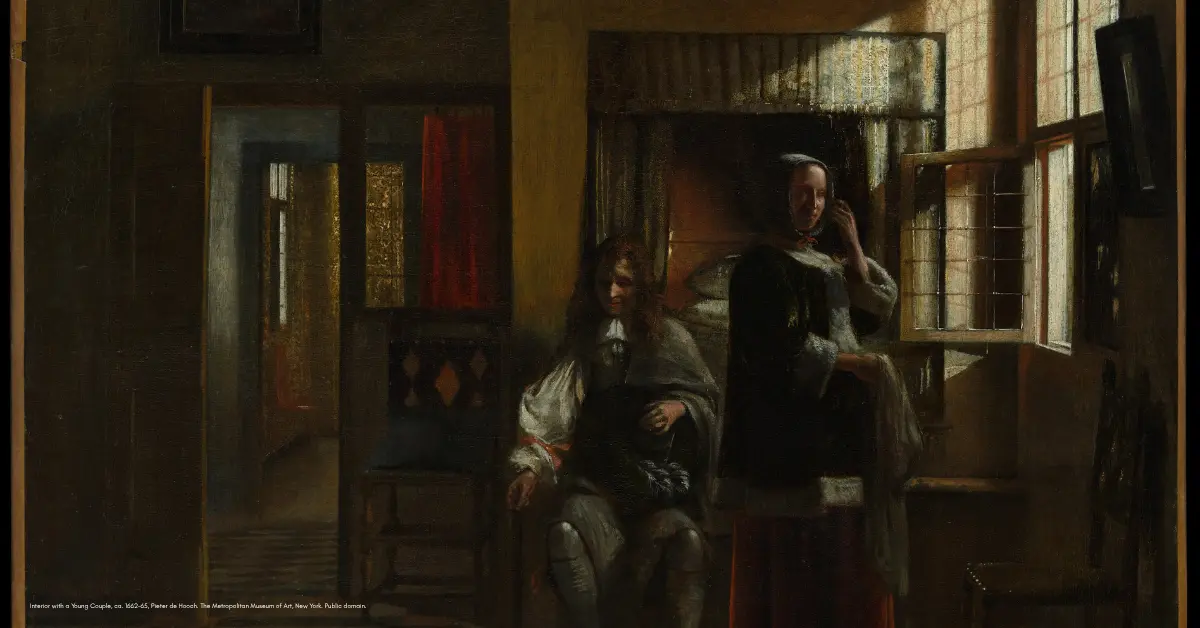
Ten Clues That a Painting May Be More Valuable Than Its Owner Realizes
A panel support, old labels on the reverse, exceptional faces and hands, a provenance gap before 1945. Ten details that suggest a painting warrants closer exami
A panel support, old labels on the reverse, exceptional faces and hands, a provenance gap before 1945. Ten details that suggest a painting warrants closer exami
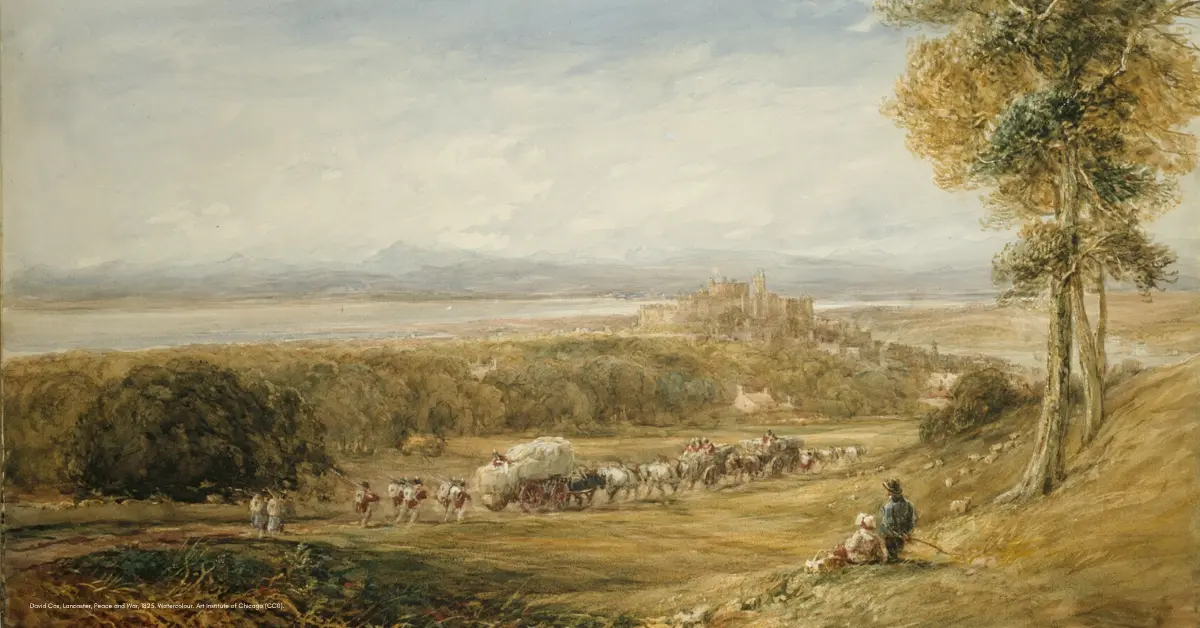
A Raphael estimated at €300 sold for €26.8 million. A misattributed de Hooch went for €2,500 and resold for €8.5 million. Why significant paintings keep surfaci
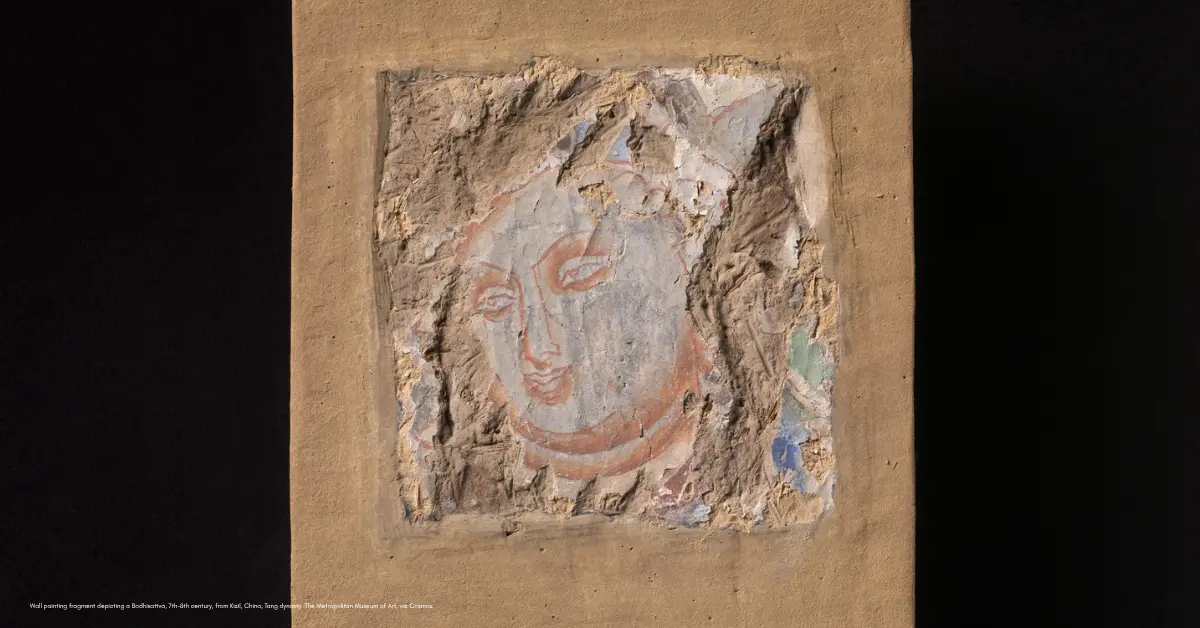
Two objects in similar condition can sell for very different prices. Why the market increasingly favors honest conservation over invisible restoration.
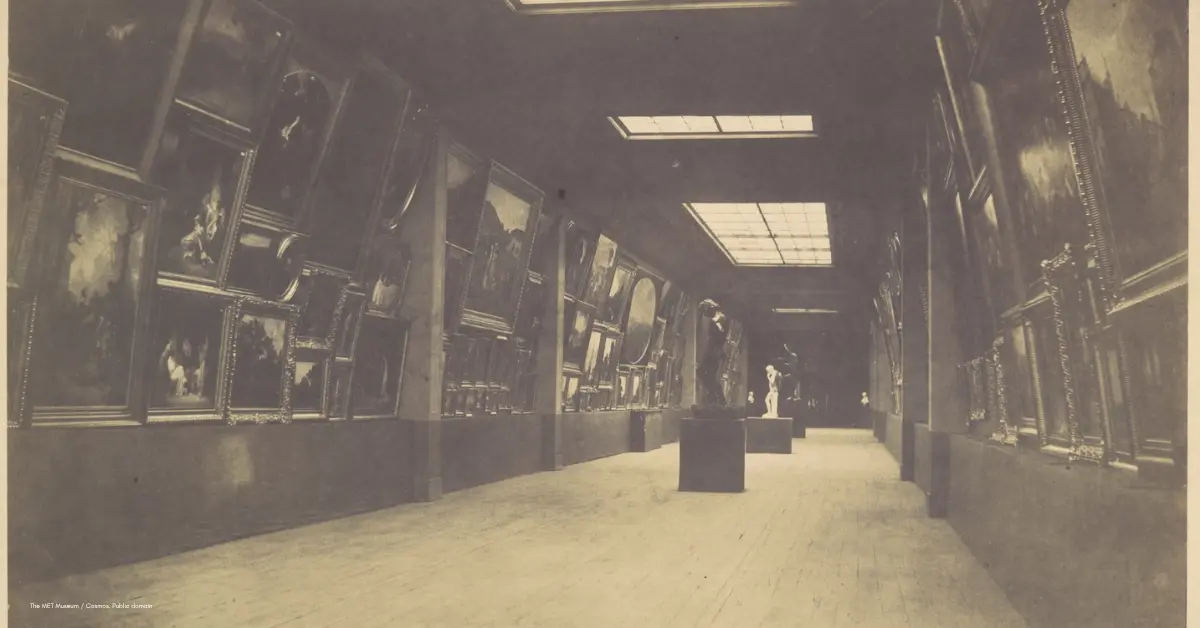
Why museums sell works from their permanent collections, the line the field draws around it, and why private collectors face a version of the same question.
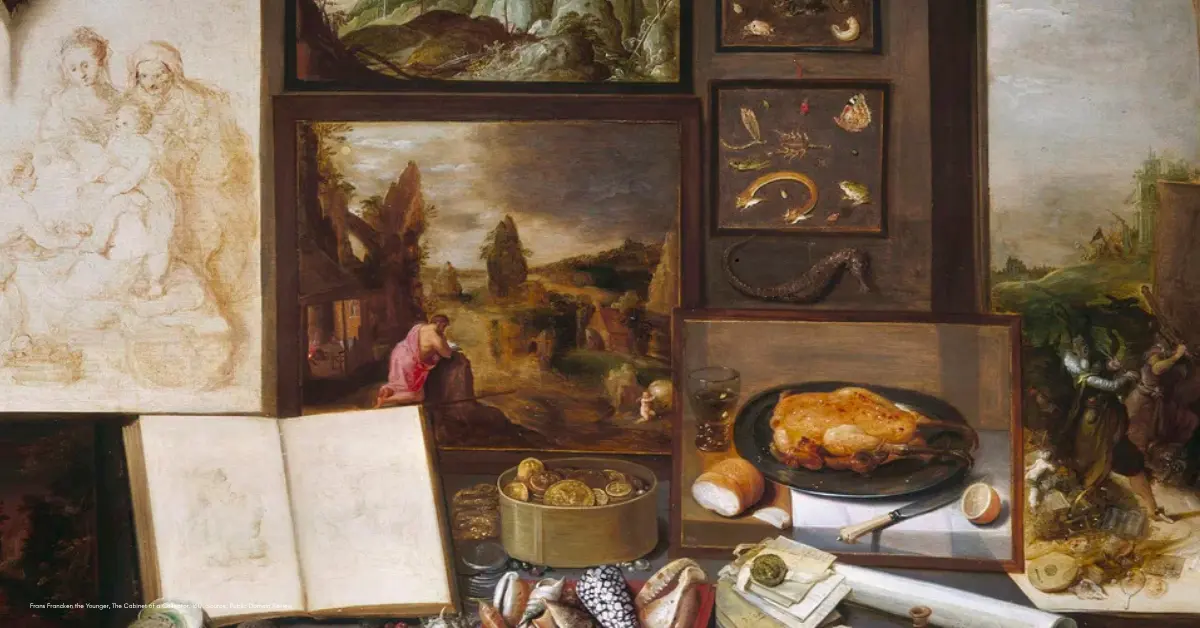
Acquiring good objects and building a coherent collection are different skills. Why the best collectors work from a thesis — and know when to say no.
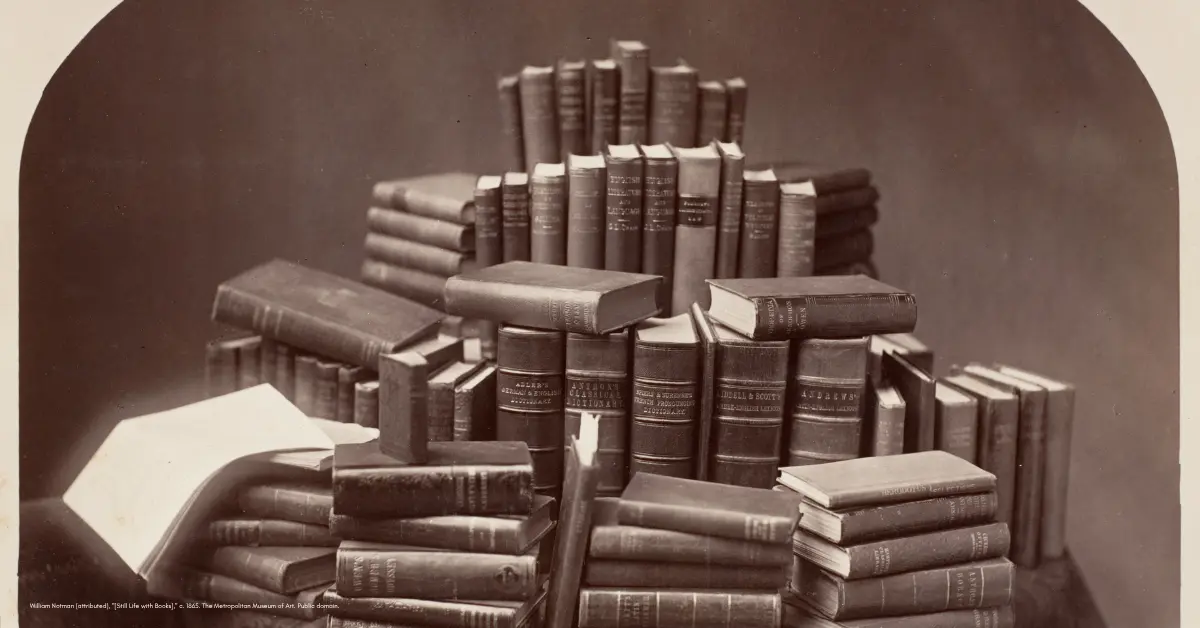
What a condition report is meant to do, why restoration on an old work isn't automatically disqualifying, and the questions that separate a routine finding from
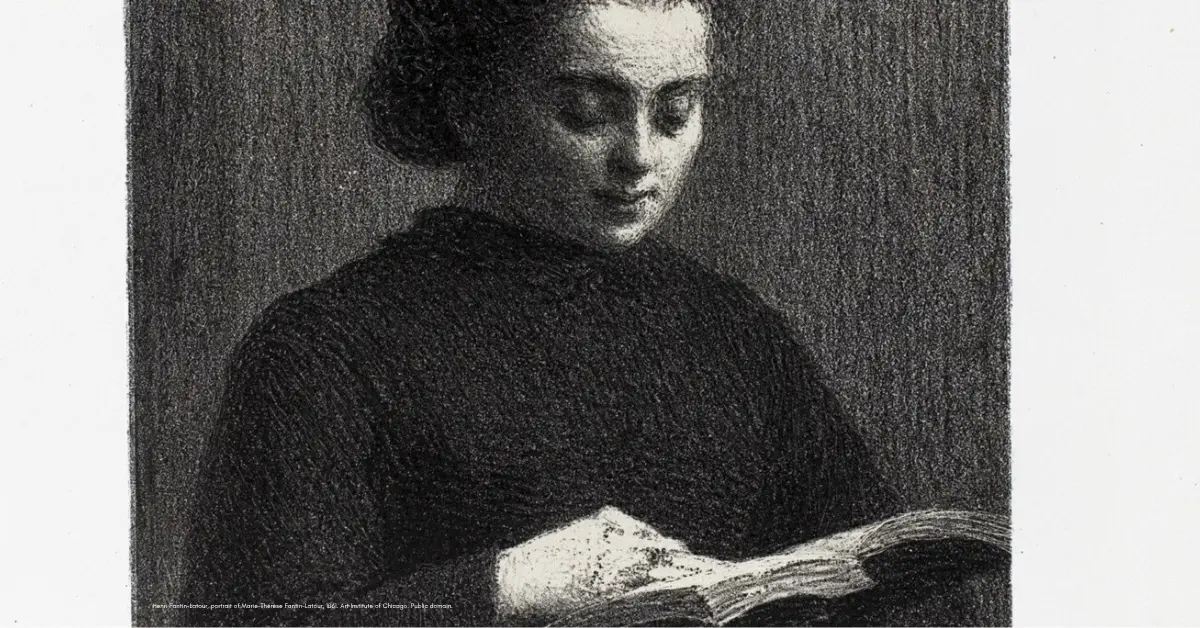
What it actually means when a work is "included" in a catalogue raisonné, and the questions specialists ask before treating that inclusion as settled.
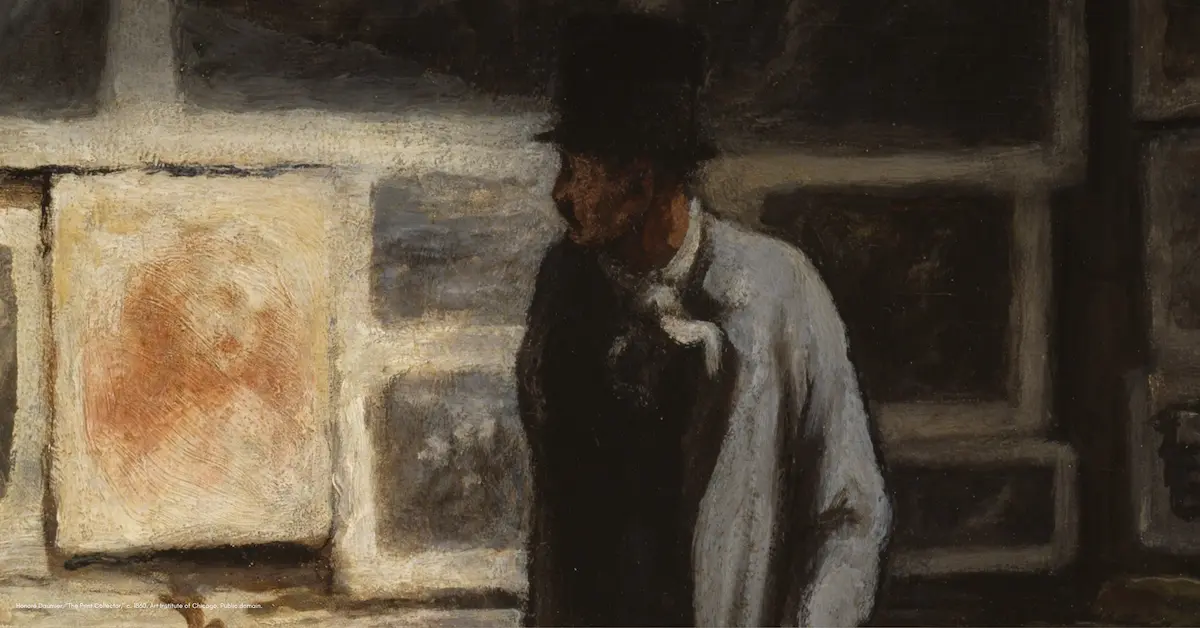
A look at how buying art at auction, through a private dealer, or in a private sale each distribute risk differently, and what verification still falls on the b
A guide to verifying art provenance before buying, covering ownership history, exhibition records, red flags, and how professional due diligence actually works.