In 2018, the San Francisco Museum of Modern Art sold a Rothko to help fund the acquisition of new work by living artists, particularly women and artists of color who were underrepresented in its collection. The Rothko wasn't damaged, disputed, or duplicated. It was simply no longer serving the collection it belonged to.
This is deaccessioning: the deliberate, formal process of removing an object from a museum's permanent collection, usually so it can be sold, transferred, or otherwise let go. It sounds almost administrative. In practice it's one of the more contested and least understood decisions an institution can make, and one that private collectors increasingly find themselves navigating too.
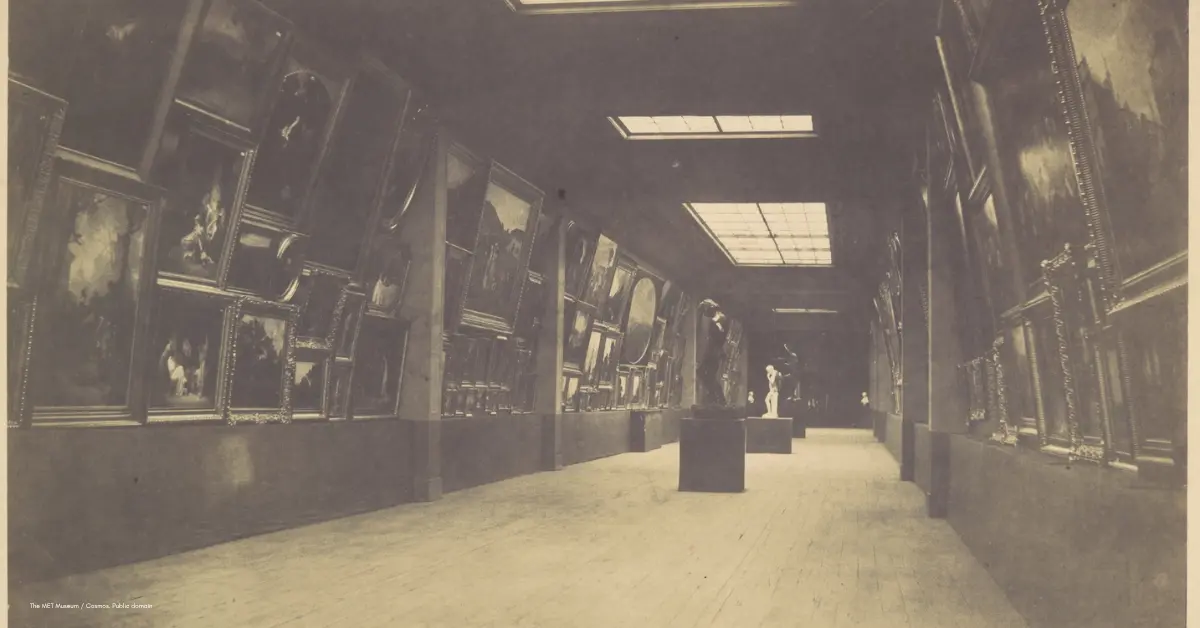
Museums don't acquire objects to display all of them forever. Most permanent collections are far larger than what a museum can ever exhibit at once, and a significant share of any collection sits in storage indefinitely. Deaccessioning exists because collections need active management, not just accumulation.
The reasons an object leaves a collection are more varied than the controversy around deaccessioning might suggest. An object may no longer align with the museum's mission after decades of institutional evolution. A collection may have duplicate examples of the same work, acquired at different times, where keeping every copy adds nothing. An object's condition may have deteriorated beyond what conservation can responsibly address. Or a museum may simply need funds, most defensibly to acquire new work, though this is where the practice becomes genuinely contentious.
The art museum field, through bodies like the Association of Art Museum Directors, generally holds that proceeds from deaccessioned works should go toward acquiring new art, not toward operating costs, building maintenance, or general expenses. The logic is straightforward: if a museum can sell art to cover a budget shortfall, the collection itself becomes a financial asset to be drawn down whenever convenient, which undermines the entire premise of public trust that collections are meant to be held in perpetuity for the public.
This line gets tested regularly, particularly during financial strain. Institutions that have deaccessioned work to cover operating expenses rather than new acquisitions have faced real consequences: censure from professional associations, loss of peer institutions' willingness to lend work for future exhibitions, and lasting reputational damage. The Rothko sale mentioned earlier was controversial in its own right, but it stayed within the field's accepted norms because the proceeds funded acquisitions. Sales that cross that line tend to be remembered for years.
Deaccessioned works don't disappear when they leave a museum. They re-enter the market, and this is where the practice becomes directly relevant to collectors rather than just an internal museum policy debate.
An object with a museum's provenance carries real weight. It has typically been authenticated, conserved to institutional standards, and documented far more thoroughly than most objects that pass through private hands. A deaccessioned work often arrives at auction or through a dealer with a cleaner paper trail than almost anything else on the market. For a collector building a collection with a clear thesis, a deaccessioned piece that fits can be a genuinely strong acquisition, not a compromised one.
The catch is timing and visibility. Deaccessioned works are typically announced and sold through formal channels, major auction houses, gallery placements, or occasionally quiet private sales to other institutions, and a collector who isn't actively watching for these moments can miss pieces that would have fit their collection precisely. This is less a matter of secrecy than of simply not being loud; institutions rarely promote a deaccession the way a gallery promotes new inventory.
Museums aren't the only ones who accumulate more than they can meaningfully hold. Private collectors, particularly those who have been acquiring for decades, often reach a point where their collection includes pieces that no longer fit, objects bought early, before a clear thesis emerged, or pieces that made sense within an earlier phase of collecting that the collector has since moved past.
The instinct to keep everything indefinitely is understandable but not always well-founded. A collection that holds onto pieces it has outgrown isn't necessarily more complete; it's often just less legible, harder to explain, and harder for anyone, including the collector's own family, to eventually make sense of.
Letting go of a piece that no longer belongs isn't a failure of the original acquisition. It can be the same disciplined judgment that built the collection in the first place, applied honestly at a later stage. The collectors who eventually see their work accepted by institutions, cited by researchers, or simply understood clearly by the next generation tend to be the ones willing to periodically ask what no longer belongs, not just what to add next.
Whether the decision belongs to a museum board or a private individual, a few principles hold consistently. The reasoning should be documented, not just decided quietly and acted on. Objects with genuine historical or scholarly significance deserve real consideration of public institutions or researchers who might want access, not just the fastest available sale. And proceeds, where there are any, ideally go back into strengthening the collection rather than disappearing into unrelated expenses.
None of this makes deaccessioning simple, and it shouldn't. A collection, public or private, represents real decisions about what mattered enough to preserve. Letting go of any part of it deserves the same seriousness that went into acquiring it.
About Orpheus
Orpheus Alerts helps collectors discover specific, rare, and hard-to-find objects, including pieces re-entering the market through deaccessioning, before they disappear into the next collection. Orpheus Alerts — When you know what you want.
