Orpheus Intelligence Labs logo ORPHEUS
Alerts
Intelligence for serious antiquities collectors

Treasured Antiquities Alerts

When culture, period, material, condition and provenance matter, Orpheus watches the global antiquities market for you.

Create a Rare Antiquities Alert

For antiquities collectors, dealers, advisors, curators and buyers who know what they are seeking.

Specify the culture, period, object type, material, date, dimensions, condition, provenance, publication history and price range. Orpheus finds credible opportunities and sends the source details directly to you.

When precision matters

The most important artifacts do not always reach the open market

A sought-after antiquity may surface through a specialist dealer, an auction catalogue, an estate sale, a private collection, an art fair or a regional platform that few international collectors follow.

By the time a relic reaches a major marketplace or newsletter, informed buyers may already be checking its provenance, condition, export history and scholarly references—or making offers.

Orpheus Alerts for Rare Antiquities is for collectors who want to define the search once and hear when the right match appears.

Beyond familiar dealers

The antiquities market is international and fragmented by language, attribution, provenance and law

Ordinary searching sees only part of the market

Experienced collectors already watch major auction houses, specialist dealers, art fairs, fixed-price lists and private offers. Yet important objects are often described imprecisely. An Egyptian relief may appear as “Near Eastern stone fragment.” A Roman vessel may be catalogued simply as “ancient glass.”

The same object may be attributed to different cultures, periods or workshops. Its material, find history, collection record or publication may be buried in the lot description. Provenance may appear only as a collector’s name, inventory label or old auction reference.

Orpheus broadens the language around your request, so the search does not depend on one perfectly worded listing.

What Orpheus can monitor

From exact object types to early signs of availability

Specific Objects & Cultures

Search by culture, region, period, dynasty, object type, material, technique, subject, dimensions, inscription, condition, provenance, publication, price or location.

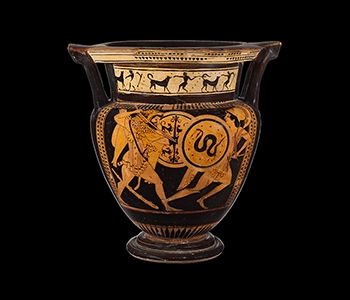
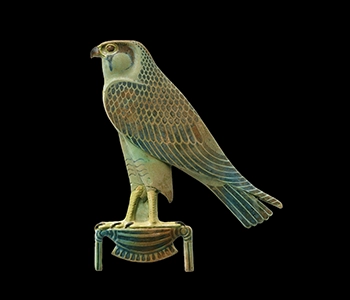
Examples: Cycladic marble idol; Egyptian faience ushabti; Attic black-figure amphora; Roman cameo glass; Achaemenid silver rhyton.

Provenance & Documentation

Monitor named collections, old auction records, ownership history, inventory numbers, publications, exhibition labels, export licences and long-held private collections.

For an experienced collector, the relic is only part of the story. Authenticity, lawful ownership, provenance, condition, restoration and scholarly history determine whether a listing deserves attention.

Object Types & Materials

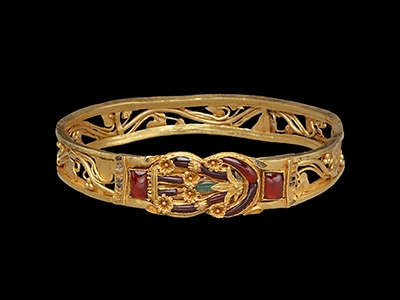
Track sculpture, ceramics, glass, bronzes, jewellery, seals, reliefs, funerary objects, inscribed tablets, mosaics and architectural fragments.

Orpheus can distinguish a Roman marble portrait from an Egyptian limestone relief, or a Greek red-figure vessel from an Etruscan bucchero form.

Auctions, Collections & New Offers

Watch upcoming auctions, newly consigned collections, fresh dealer stock, fixed-price lists, private offers and advance catalogue notices.

Not every important opportunity begins with a finished lot page. Sometimes the first useful signal is that a collection is coming to market.


The Orpheus process

Turn an antiquities brief into continuing market intelligence

01

Describe the Target

Tell us what belongs in your collection or your client’s collection. Include the culture, region, period, object type, material, subject, dimensions, condition, provenance, publication history, price ceiling, preferred markets and firm exclusions.

Example: “Roman marble portrait head, first to third century AD, documented pre-1970 provenance preferred, published examples considered, any location.”

02

Persistent Global Scanning

Orpheus reviews relevant public and semi-public sources every day. These include specialist dealers, auction houses, regional catalogues, fixed-price lists, estate sales, private-offer signals and other sources where rare antiquities may appear.

Your brief can include alternate names, historic spellings, dynasties, workshops, materials, iconography, inscriptions, provenance clues and common attribution errors.

03

Direct, Timely Alerts

When a credible match is detected, you receive an email and SMS notification with a direct link to the source. Orpheus does not place itself between you and the dealer, auctioneer or owner.

You decide whether to request detailed images, examine condition and restoration, verify provenance and export records, consult an antiquities specialist, arrange an inspection, make an offer or decline.

A different kind of alert

Designed for the way rare antiquities are actually traded

Standard Search & Marketplace Alerts

Conventional tools work when an artifact is already indexed, correctly identified and listed on the platform being searched.

  • Often rely on exact keyword matches
  • Usually cover one marketplace or dealer network
  • May miss alternate names, catalogue numbers and listing errors
  • Can treat objects with similar forms or subjects as equal
  • Often overlook attribution, restoration, provenance and export history
A broad alert may find the right type. A serious collector needs the right culture, period, material, condition and provenance.
Early signs of availability

Opportunity often appears before visibility

An important antiquity does not always debut on a major platform. It may surface in a local-language catalogue, a dealer’s new stock, a discreet consignment, an estate inventory, a private collection or a regional auction that ordinary search has not yet indexed.

Orpheus helps collectors detect these early signs instead of repeatedly searching the same familiar sources.

  • Freshly listed dealer stock
  • Advance auction and consignment notices
  • Regional sales with limited international exposure
  • Under-described lots and mixed collections
  • Private-owner and estate-sale notices
  • Old collections and archives entering the market
Antiquities landmarks

What makes an antiquity worthy of immediate notice?

Rarity alone does not explain an antiquity’s importance. Culture, date, artistry, material, condition, provenance, publication history and legal status all shape its appeal.

Rarity An object type, subject, period or material that seldom reaches the market.
Provenance A documented ownership history that supports authenticity and adds context.
Condition Surface, completeness, stability and the extent of ancient damage or modern restoration.
Scholarship Publication, exhibition or a secure attribution can add meaning and confidence.
Context An inscription, known find history, named collection or old auction record may add significance.
Legal Status Clear title, lawful export and compliance with cultural-property rules are essential.

One clearly defined antiquity target

A target may be one exact object, a culture, a period, a material, an iconographic subject or a tightly defined collecting goal.

Examples include Egyptian predynastic vessels, Greek geometric bronzes, Gandharan sculpture, Roman mosaic panels, Sumerian cylinder seals, Khmer stone sculpture or objects from a named collection.

Orpheus Alerts for Rare Antiquities

When you know what you want.

When searching multiple sites every day becomes tedious.

When the right item has eluded you.

It's time for Orpheus Alerts.

Create Your Antiquities Alert

You are in charge

Private searching without sales pressure

Orpheus is not an antiquity dealer, auction house or broker. We search for information relevant to your target and alert you when a potential opportunity appears.

NO SPAM Alerts are tied to the objects and criteria you specify.
NO AGENTS No salesperson is assigned to promote inventory or influence your purchase.
NO DATA SALES Your collecting interests are not sold as marketing leads.
DISCRETION Your search brief is treated as private collector information.
The Orpheus Advantage

Did you know that search engines and
AI crawl Less than 2% of the Internet each day?

To alert you to rare and collectible antiquities coming to market, our AI-driven search network reviews millions of public listings every day across auction houses, specialist antiquities dealers, estate sales, private collections and other ancient-art sources.

In addition to the publicly visible listings that conventional search engines and AI systems can find, Orpheus monitors sources that are often difficult for collectors to access, including:

  • Rare and collectible antiquities discreetly submitted to Orpheus by owners who prefer not to advertise their collections publicly.
  • Antiquities offered privately by established dealers, collectors, estates and other trusted sources.
  • Antiquities inventories available through specialist dealers, private networks and auction platforms whose listings require registration.

By the time a rare or highly sought-after antiquity appears in search results, newsletters or public auction promotions, informed collectors may already know it is coming to market. Orpheus helps you find opportunities earlier – before they become widely known.

Subscribe to Alerts

Define Your Antiquity

Give us the culture, region, period, object type, material, subject, dimensions, condition, provenance, publication history, budget and any detail that separates the right object from the wrong one.

Example searches:

“Attic red-figure kylix, late sixth to early fifth century BC, figural scene, documented provenance and minimal restoration.”

“Track Egyptian bronze cat figures from the Late Period, at least 20 cm high, intact, with secure pre-1970 provenance.”

“Find a Roman first- or second-century AD marble torso, published or from a named collection, with lawful export documentation.”

“Alert me to Mesopotamian cylinder seals with legible scenes, scholarly attribution and documented collection history.”

Start Your Alerts

$45 / month / target

Track exact objects, cultures, periods, materials or ancient-art categories. Each target includes:

  • Daily international monitoring
  • Email and SMS notifications
  • Direct links to sources
  • Tracking across specialist antiquities sources
START YOUR ALERTS
Cancel anytime
Claim your information advantage

Your next important antiquity may be quietly entering the market

Define the acquisition once. Let Orpheus continue looking.
Receive notice when the antiquity you care about appears.

Get Rare Antiquities Alerts
LINKS FOR ANTIQUITIES COLLECTORS

Archaeological Institute of America

A membership organization for professionals, students and people interested in archaeology and cultural heritage. Its local societies offer lectures, programs and community events. Explore AIA Societies.

Ancient Art Council

A membership group supporting the ancient-art collection of the Fine Arts Museums of San Francisco. Its programs connect members with scholars, curators and others interested in the ancient world. Visit the Ancient Art Council.

International Association of Dealers in Ancient Art

An international association of established ancient-art dealers. Its members follow a code of ethics focused on authenticity, provenance, lawful trade and responsible collecting. Visit IADAA.